P1 — Vacuum Cleaner
Vacuum Cleaner Algorithm
My vacuum cleaner algorithm is designed to ensure thorough cleaning of the floor. To achieve this, my algorithm prioritizes area coverage over the speed of exploring multiple rooms.
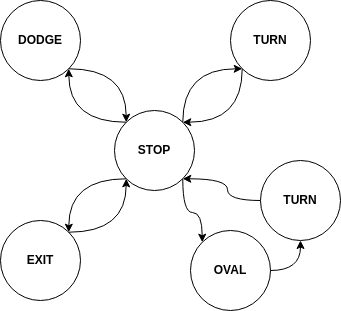
Cleaning Strategy
-
Oval Cleaning Patterns: Utilizes oval patterns that effectively clean elongated spaces, such as rectangles.
-
Directional Bumper: The bumper alters the direction of rotation based on its impact orientation, allowing small “dodge” maneuvers—retreating, turning, and advancing while rotating. This enables the robot to cover large areas without leaving uncleaned gaps.
-
Randomly size ovals: Selects a random oval size when it has previously collided with a side. If it completes the oval without colliding, it returns to performing ovals of a predetermined size.
Limitations
While this approach ensures thorough cleaning, it comes with some trade-offs:
-
Time Consumption: The robot sometimes revisits areas it has already cleaned, leading to wasted time.
-
Battery Capacity: It’s not a big issue since currently, the batteries of cleaning robots have at least 2600mAh, equivalent to 140 minutes of autonomy using mapping, relocation, and lasers. Therefore, in my algorithm, using only motors and bumpers, this autonomy could increase considerably.
-
Speed Restrictions: This problem is more general, as it involves the fact that robots shouldn’t travel at speeds greater than 1.5 m/s, about 5.4 km/h, because it is unsafe and does not guarantee proper cleaning. The average speed ranges from 0.2 to 0.6 m/s, which ensures safe cleaning without compromising anything. Therefore, my algorithm includes a speed limiter of 0.6 m/s.
Performance Summary
The average performance of my algorithm allows it to clean a fairly extensive surface area in about 10 minutes without leaving traces behind. Additionally, it incorporates a detection counter that only tracks transitions between states related to the bumper, along with a random modifier for the oval’s amplitude, which helps prevent the robot from getting stuck.
Attempts
-
Try wihout random:
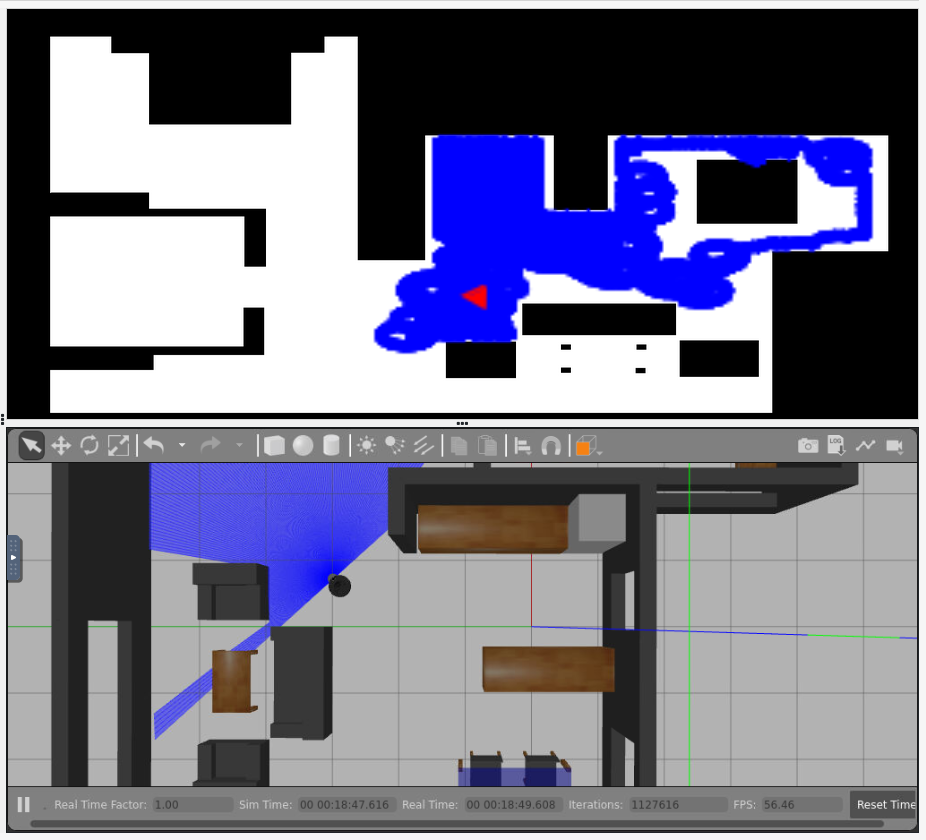
-
First try with random ovals:
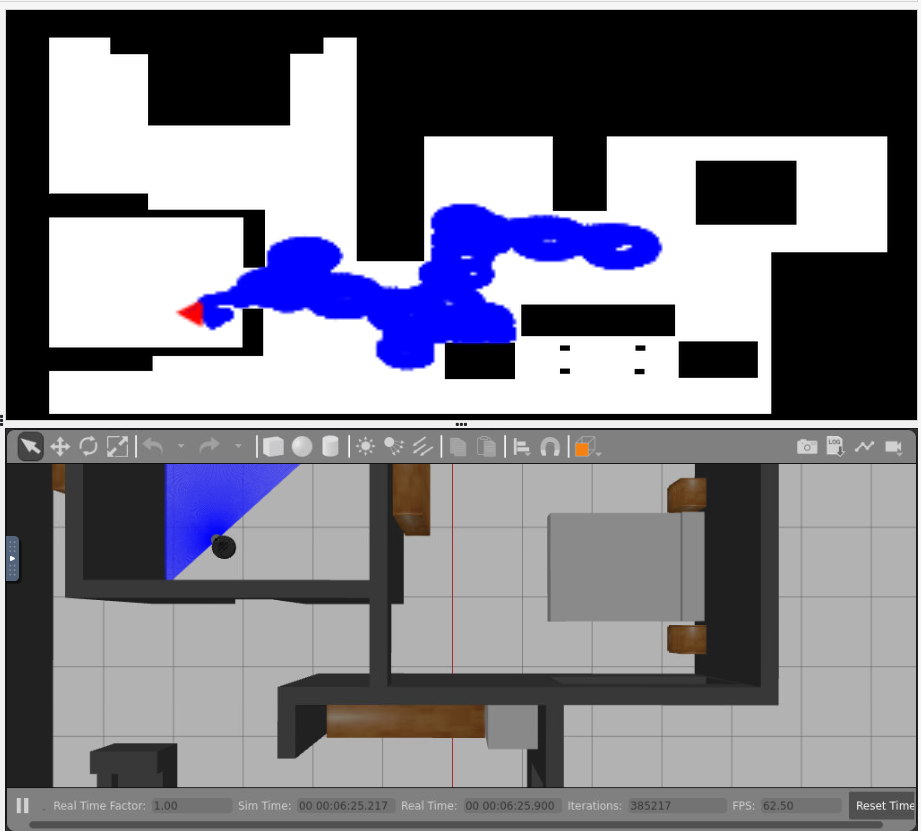
-
Perfect clean:
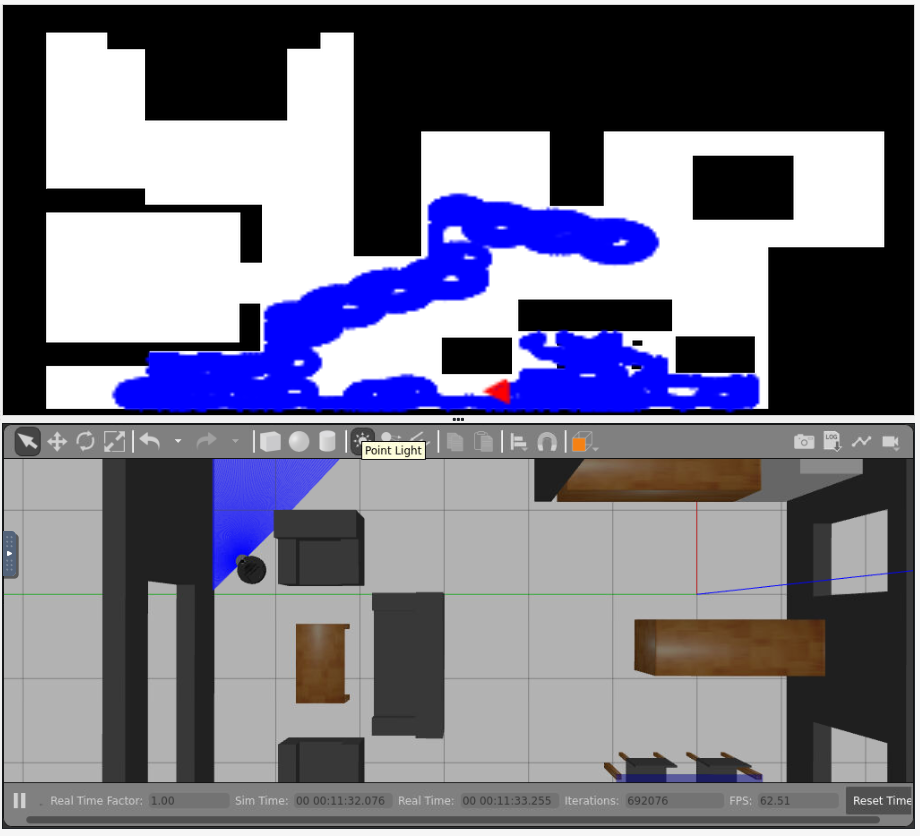
Videos
- Examples of dodge algortihm:
- Good clean in 10mins:
- Perfect clean in 10min (not fully recorded):
Conclusion
In summary, while there are some limitations to consider, the primary goal of my robot remains thorough cleaning.